The Rhythm of Cedar: Kyoto Ryokans and Shojin Ryori
By 111111 Field Editorial • 8 min read
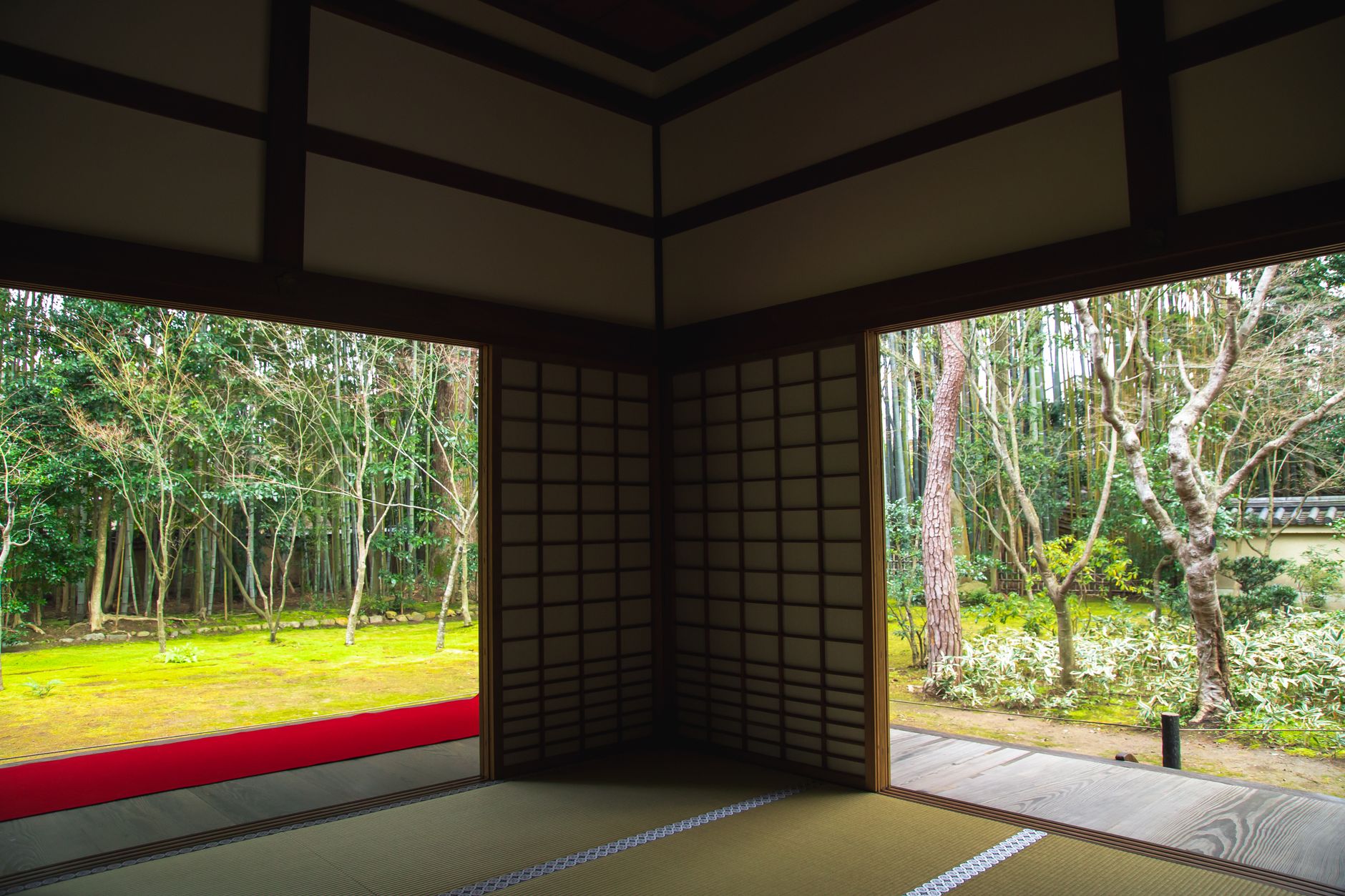
The wooden latch yields with a soft resonance, revealing a courtyard where smooth river stones have been moistened with cold spring water. In Kyoto, hospitality begins with sensory dampness—the cool whisper of cedar, the fragrance of tatami straw, and absolute acoustic discretion.
Stepping into a heritage ryokan along the Kamogawa River or in the foothills of Higashiyama is not merely checking into an accommodation; it is entering a continuum of ritual that has remained virtually unbroken since the Edo period. The architecture itself functions as a filter against external noise. Sliding shoji screens diffuse the harsh exterior light into milk-soft illumination.
Shojin Ryori: Devotion Through Ingredients
Central to this experience is shojin ryori, the plant-centered temple cuisine developed by Zen Buddhist monks. Here, culinary creation is treated as a spiritual exercise. No animal products are utilized; instead, seasonal vegetables, dried mushrooms, seaweed, and handcrafted bean curds are transformed into an intricate multi-course offering.
During early spring, one encounters tender bamboo shoots simmered in dashi prepared from kombu, paired with fresh yuba (delicate soybean curd skin) and mountain sansho pepper leaves. The flavours do not assault the palate; they encourage attention. Each dish honors what the Japanese term 'mono no aware'—the poignant transience of all earthly phenomena.
“In a world of constant digital stimulation, the quiet confines of a Japanese wooden inn remind us of the immense dignity found in silence.”
Observations for Guests
When staying within a traditional inn, remove your shoes promptly at the genkan threshold. Allow the okami (innkeeper) to guide you through the bath rituals and dinner timings. Unplug all devices, draw open the paper screen overlooking the moss garden, and listen to the rain.